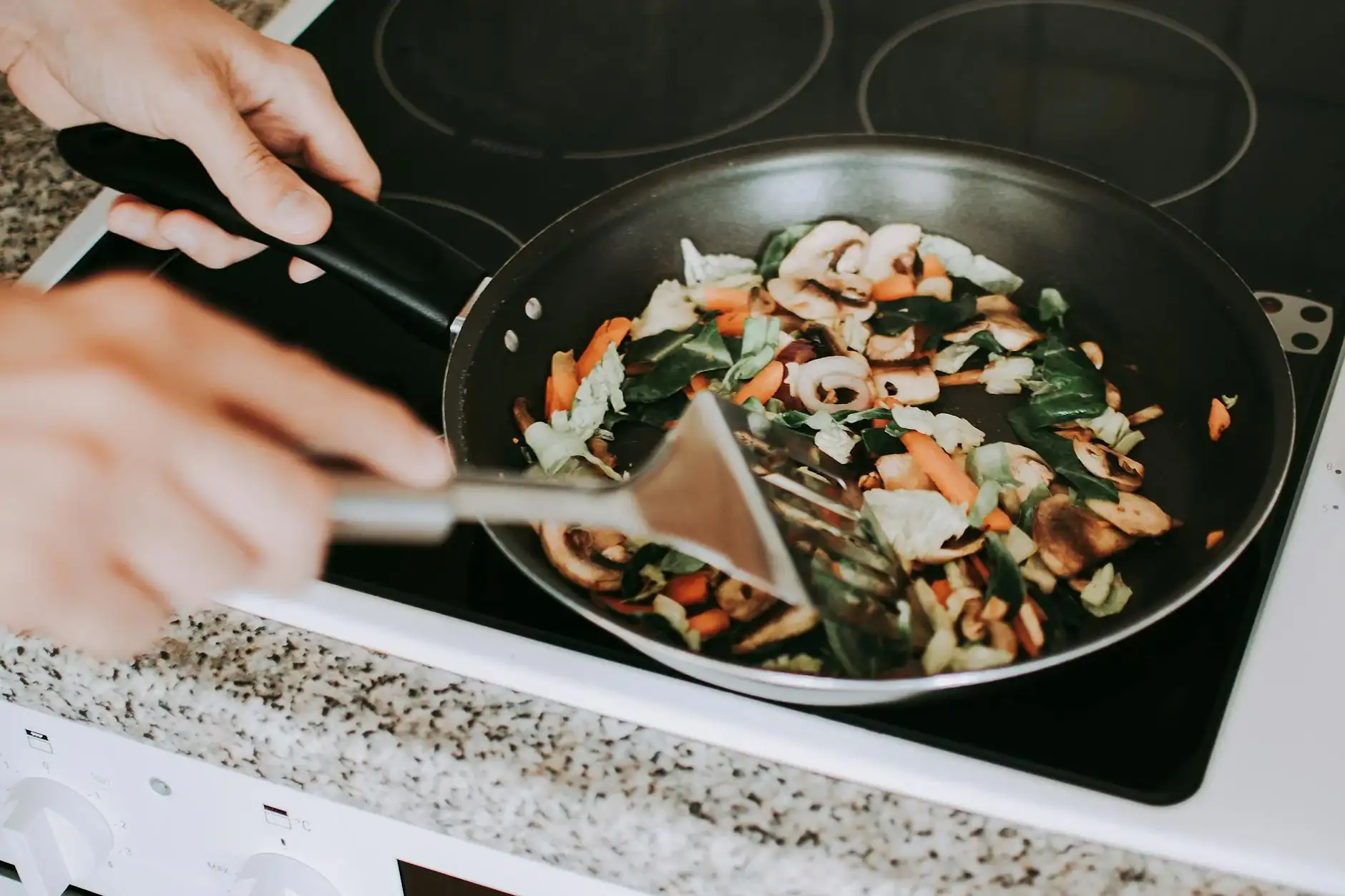
The Art of Sauteing: Mastering Heat Control for Gourmet Cooking
The Gourmet Gazette editorial team shares delicious recipes for every occasion, culinary techniques, and food culture insights for passionate home cooks.
Table of Contents
- Introduction to Sautéing
- Understanding Heat Control
- Essential Equipment for Sautéing
- Common Sautéing Techniques
- Building Flavors Through Sautéing
- Avoiding Common Mistakes
- Conclusion
Introduction to Sautéing
Welcome—oh wait, did I leave the oven on?—to the wonderful world of sautéing! You know, if cooking was a painting, then sautéing would be those bold strokes that just, BAM!, bring your masterpiece to life, right? It’s one of those techniques—so simple, yet oh-so-effective—that can add flavor and texture to your dishes. Like, seriously, picture this: the sound of veggies sizzling in a hot pan, oh and the aroma of garlic dancing through the air—yummm, it’s an experience everyone should enjoy! Or is it? Sometimes garlic can overpower everything.
Understanding Heat Control
What Heat Levels Mean
Okay, so heat levels—let's dive into that. You’ve got three main heat settings when you’re cooking—low, medium, high—like your mood swings, right? Each one has its own little role in the cooking play. Low heat? Fantastic for gentle coaxing of flavors, kind of like whispering sweet nothings to your onions. But high heat, oh boy, that’s where the magic happens—golden-brown crust, yes please! And medium heat, well, it’s like that one friend who always mediates arguments at dinner parties—it’s just... right, isn’t it?
And here’s a quirky tip: always heat the pan before adding the oil. You’d think that’s obvious, but trust me, some people—hi there!—forget. This little trick keeps things from sticking. No one wants a food disaster, especially when you’ve got guests. Speaking of disasters, you don’t want to hover too long—smoke billowing means trouble! Burnt oil—ugh—and eyes watering. Imagine that at a dinner party!
The Importance of Preheating
Now, preheating. Crucial! Think about cooking a steak: if your pan is like a lukewarm bath, what happens? Insert dramatic gasp It’ll just steam, and then your lovely steak turns into this miserable, grey thing. Sad! You want that juiciness, that umami explosion. So, pause a sec—like, really let the pan feel appreciated. Give it some time!
Oh, personal story time! Once I tried to whip up a chicken stir-fry, super pumped, right? But in my excitement—because chicken!—I tossed everything in right away without giving the pan its warm-up moment. Big mistake. My poor chicken looked like a sad white blob. No golden crispy bits ANYWHERE. “What have I done?” I thought. Lesson learned: always, always preheat! But really, it’s an art—like graffiti, or a really bad pun!
Essential Equipment for Sautéing
Choosing the Right Pan
When it comes to sautéing, oh boy, not all pans are created equal, right? Like, have you ever looked at a pan and thought, "This is just a frying pan?" But no, no, a heavy-bottomed pan, maybe stainless steel or cast iron, is really your ticket to success. They distribute heat evenly, which is kind of crucial if you don’t want your food to end up in a weird state of burnt and raw at the same time. Hot spots — just thinking about them makes me cringe!
Utensils That Make a Difference
Using the right tools can totally make your sautéing journey smoother, like, glide through the chaos. A wooden spoon or, oh! a heat-resistant silicone spatula is your best friend! Seriously, wooden spoons can really make you feel like you’re in a cooking show, gliding through the food without scraping the pan. It’s all about preserving that beautiful surface while getting all those yummy bits off the bottom. Bits of flavor, mmm!
And speaking of utensils, you might even enjoy a bit of playful experimentation—like, why not? I once used a whisk instead of a spatula! It was hilarious and chaotic, like trying to dance in a tiny room—everything was flying everywhere, but, surprisingly, I ended up with some decent meals. Chaos in the kitchen, or culinary creativity? Who's to say!
Common Sautéing Techniques
Stir-Frying vs. Sautéing
So, here’s the thing, people really have a tough time telling sautéing from stir-frying. It’s like comparing apples to... um, oranges? Or is it pineapples? Anyway, both methods are all about that fast-paced cooking in a pan, but there’s a twist—literally. Stir-frying, oh boy, that's where you crank up the heat, and the oil's sizzling like the Fourth of July, and you’ve got those ingredients bouncing around like they’re at a rave! Meanwhile, sautéing, which—hold on, did I ever mention how much I love the smell of sautéed garlic?—involves this more patient approach. You sorta let the food chill for a moment, just soaking up the heat before that golden crust forms. Think of it like a dance-off! Stir-frying is the energetic shuffle, while sautéing is this elegant waltz. But too much heat, and things get burnt—like my toast this morning. Yikes.
The Art of Tossing
Ready to dazzle friends at dinner parties? Ooh, let’s dive into tossing! This technique is seriously exhilarating—no joke, it’s a real crowd-pleaser. Instead of just stirring, you whip that wrist and—whoosh!—the food goes flying! Well, in a controlled way, I hope. But honestly, if you’re feeling anxious about your culinary skills (and who isn’t sometimes), keep the pan low. Trust me, the last thing you want is food on the floor—ugh, the sweeping and mopping! It’s like a chore that just never ends, right? So, toss away with confidence! Or maybe take it slow? Actually, you do you. Just be prepared for some spills.
Building Flavors Through Sautéing
Aromatics Are Key
Okay, so, like, let’s talk about aromatics— onions, garlic, oh man, and herbs! These little flavor bombs, right? They take sautéing to, like, a whole new level. It’s almost poetic. You start by heating your oil—make sure it’s not too hot, but then again, who really knows? Toss those aromatics in— and wow, the smell! It fills your kitchen and honestly, it's downright magical, like, maybe I should be a magician or something? Oh, and here’s a little secret: the sugars in onions—yeah, those things—caramelize beautifully when the heat is cranked up. It gives depth to any dish, which is exactly what we want, right? Right?!
Layering Ingredients
So, here’s where it gets interesting—when sautéing, you gotta think of your ingredients like layers, like an onion, ha! Get it? Start with the ones that take FOREVER to cook—like, carrots— and then you gradually add the quicker-cooking items, like zucchini or bell peppers. Wait, did you ever notice how bell peppers just make everything look happy? Anyway, this layering thing is crucial because, like, we want everything cooked just right! Or do we? Maybe we should just wing it.
Just imagine— a mix of vibrant colors—like a painter went wild in your pan— and crunchiness, dancing together! It’s like a party for your eyes and your taste buds, which is just delightful! But wait, what if one of those flavors doesn’t get along? Ugh, now I’m overthinking it. Oh well, here’s to the dance party!
Avoiding Common Mistakes
Overcrowding the Pan
Ah, overcrowding the pan—classic rookie mistake. I mean, who hasn’t crammed a whole feast into one skillet, right? But here’s the kicker: stuffing too much food in there leads to steaming, not sautéing—a total bummer. So, rule number one: always leave space! Heat needs room to dance, or, you know, circulate. Or whatever it does—float? I once tried cramming ten potatoes in a single pan—no, wait, it was twelve—it’s like a potato party gone wrong. Anyway, if you’ve got a lot to cook, just do it in batches. That flashy tomato pasta dish will be even better! Trust me—your food will thank you, and your taste buds will—oh, they’ll just throw a parade for you!
Ignoring the Ingredients
And, oh boy, let’s chat about ignoring the ingredients. It’s like, “What’s that, you say? A carrot versus a spinach leaf? Who cares!” Well, you should care because the size and texture matter—who knew? If you toss in tiny, tender goodies like spinach too early, they’ll just disintegrate like dreams on Monday morning. In contrast, those hearty, tough carrots should absolutely be in there first. It’s sort of like the musical chairs of vegetables, right? Don’t forget to pay close attention to your ingredient ensemble—they’ve got a role to play! Otherwise, you’re in for mushy greens and crunchy, sad chunks—yikes. Keep those eyes peeled, adjust on the fly, and revel in the art of balance—because cooking is, in some strange way, like deciphering a not-so-mysterious mystery novel.
Conclusion
Sautéing, oh boy, it’s not just cooking; it’s like—well, yeah, it’s an art. Seriously. Art! You get to express your wildest flavor fantasies, mix up textures, and unleash that creativity of yours. I mean, who wouldn't want to channel their inner Van Gogh, but like, with garlic and onion? It’s amazing. Whether you’re a total newbie fumbling with a spatula or a pro flipping omelets like a chef wizard—whatever that looks like—mastering sautéing can really kick your food into gourmet orbit! And speaking of orbits, I wonder how astronauts eat?
Right! So, take that pan—steel, non-stick, whatever’s lying around—crank that heat up like you’re summoning a fiery dragon, and—oh, the best part!—let the sizzling symphony begin. Can you hear it? I can.
Don’t you just love the idea of hurling random ingredients into hot oil and creating magic? Anyway, go wild in your kitchen! Try stuff—like sautéing random veggies that probably don’t belong together. Share your sautéed masterpiece—YES, that’s right, masterpiece—with friends or family, you know, because they’ll so appreciate your flair—or maybe they’ll just pretend to. You might just inspire someone else to start their own confused culinary journey! Happy cooking—or, like, trying not to burn the house down!